


Groundnut or Peanut? A Snack and Legume Name Mixup
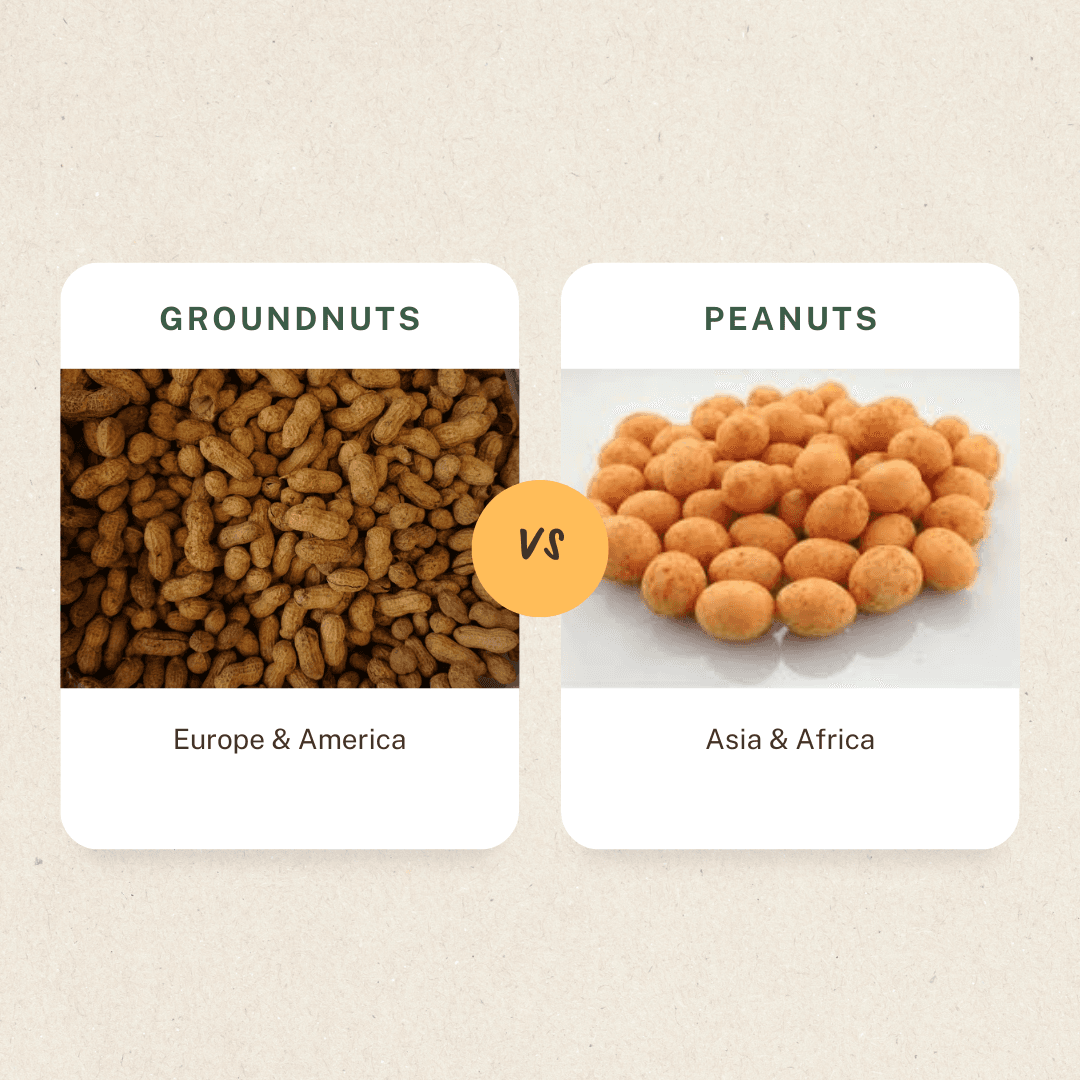
If you grew up in Nigeria, when someone says “peanuts”, chances are they’re not talking about plain raw or roasted nuts. Instead, they’re referring to that crunchy, golden-brown snack made by coating groundnuts in a spiced flour mix and frying or baking them to perfection. But botanically, peanuts, groundnuts, and “Nigerian peanuts” aren’t exactly the same thing — and this is where the confusion starts.
The confusion between peanuts and groundnuts comes from history and regional naming preferences. Botanically, they’re the same plant (Arachis hypogaea), but when European colonizers introduced them to Africa, the nuts were called groundnuts because they grow underground, unlike tree nuts. In the United States, however, the term peanuts became popular, likely because the nuts resemble other culinary “nuts” and were consumed the same way. Over time, both names stuck “groundnut” dominating in Africa and parts of Asia, while “peanut” ruled in the West. The twist in Nigeria is that when they say “peanuts,” they’re usually referring to our crunchy, flour-coated groundnut snack, not the plain nut itself. Honestly, it would make more sense globally if the plain nut remained groundnut and the snack took ownership of peanut it’s clearer, more logical, and better reflects how we actually use the term here.
Peanuts & Groundnuts are Same Origin, Different Names
Globally, peanuts and groundnuts are actually the same plant Arachis hypogaea.
- In Nigeria and much of West Africa → they’re commonly called groundnuts because they grow underground.
- In the U.S. and Europe → the same thing is usually called peanuts.
So, whether you say “peanut” or “groundnut,” you’re talking about the same legume but in Nigeria, the story doesn’t end there.
Nigerian “Peanuts” Are a Snack, Not the Nut When most Nigerians ask for peanuts, they’re actually asking for groundnuts coated in a seasoned flour mixture and deep-fried or baked. The result? A crunchy, slightly sweet, slightly salty snack that’s addictive and widely sold on the streets, in supermarkets, and during festive seasons.
How Nigerian “peanuts” are made:
- Raw groundnuts are peeled and washed.
- They’re coated in a mixture of flour, sugar, salt, and sometimes spices like ginger or cinnamon.
- The coated nuts are fried or baked until crispy.
This snack is what Nigerians commonly mean when they say “peanuts.”
If you travel abroad and ask for peanuts, don’t expect the crunchy coated snack you know in Nigeria. You’ll likely get plain roasted peanuts instead. This naming difference often causes confusion for Nigerians living or traveling outside the country.
Fun Facts About Nigerian Peanuts
- They’re also called coated groundnuts or peanut balls.
- Popular during celebrations and weddings.
- They’re high in protein thanks to the groundnuts, but also high in calories due to frying.
- Homemade versions often include spices for a unique Nigerian twist.
In Nigeria, peanuts aren’t just peanuts — they’re groundnuts transformed into a deliciously crunchy snack through a special flour coating. Botanically, peanuts and groundnuts are the same, but culturally, Nigerian “peanuts” are in a class of their own. So, next time someone offers you peanuts in Nigeria, expect more than just a handful of plain nuts expect a crunchy, flavorful treat.
Related Articles

LEBOKU THE YAM FESTIVAL OF UGEP
The Ugep Leboku is particularly famous for showcasing the rich cultural heritage of the Yakurr people. The three-week-long festival bursts with energy, featuring activities such as wrestling matches, football competitions, traditional dances, masquerade parades, and the iconic Mr & Miss Leboku pageant. Tourists, traditionalists, and non-indigenes travel from near and far to participate.

THE YAKURR NEW YAM FESTIVAL COMES TO THE ABUJA
This is not just a festival; it’s an open invitation to taste history. Abuja will experience the colours, rhythms, and flavours of one of Nigeria’s most spectacular cultural celebration of Leboku

To Learn is To Cook, Where You Master The Basics Before The Recipes
you don’t need to memorize every recipe. Just learn how to chop, how to season, and how not to burn the house down.

Afripasspot Launches Restaurant Discovery Platform
Afripasspot is launching a powerful new integration designed to connect African restaurants with food lovers across the globe.
Snakebite Myths: What People Believe vs What Science Confirms
Myth 1: Bitter Leaf Neutralizes Snake Venom, Myth 2: The Black Stone “Sucks Out” Venom, Myth 3: Cutting the Bite or Sucking Out the Venom Works, Myth 4: Tourniquets Can Stop Venom Spread, Myth 5: If Symptoms Are Delayed, the Bite Is Not Dangerous
10 Set Of Foods That Promotes Clear Skin
Clear Skin from Within: A Comprehensive List of Foods That Promote Glowing, Acne-Free Skin
Plants That Repel and Attracts Snakes
Some plants may discourage snakes from settling in an area due to: Strong or irritating smells Uncomfortable textures The ability to repel pests that snakes feed on (rats, frogs, lizards)

Make Swallow from Any Vegetable by Adding One Secret Ingredient
So, next time your garri finishes, don’t panic, just grab some veggies and make magic!
← Swipe to see more →