


Attested Home Remedies for Venom Exposure
Across many rural and semi-urban communities, especially where access to immediate medical care is limited, people have relied on plants and herbs as first-response remedies while seeking professional help for venomous bites such as those from snakes and scorpions.
These practices are not new. They are passed down through farmers, hunters, herbalists, and venom survivors who claim to have used them in moments where waiting for hospital care caused more harm than action. While modern medicine remains the gold standard for treating envenomation, these remedies continue to be positively attested to by locals and are widely regarded as temporary, emergency measures.
This article does not present these plants as myths, nor does it present them as medical cures. Rather, it documents what people say they have used successfully while in the process of getting professional medical help.
Neem (Dogonyaro)
Neem, locally known as dogonyaro, is widely described by herbalists and rural communities as a powerful antivenom plant.
Why people believe it works
Those who attest to neem’s effectiveness describe it as having:
- Strong bitter compounds believed to counteract toxins
- Antimicrobial and anti-inflammatory properties
- A long-standing history of use in traditional medicine
Neem is said by users to neutralize venom from snakes, scorpions, and other venomous animals when used immediately after exposure.
How it is traditionally used
According to local accounts, fresh neem leaves are chewed immediately after a venomous bite while arrangements are made to reach medical care.
Bitter Leaf (Onugbu)
Bitter leaf, also known as onugbu, is another plant commonly cited in venom-related emergencies.
Why people believe it works
Those who rely on bitter leaf say:
- Its intense bitterness helps counteract toxins in the body
- It stimulates bodily responses believed to fight poison
- It has a long history of detoxifying use in traditional remedies
Venom survivors claim it has helped slow the effects of venom, buying time before reaching a hospital.
Traditional use
Fresh leaves are usually chewed or squeezed and consumed immediately after a suspected bite.
Custus afer (Obete)
Custus afer, locally called obete, is widely regarded as a general anti-poison plant.
Why people trust it
Local users say obete:
- Works not only for venom but also suspected food poisoning
- Acts quickly when consumed fresh
- Has cleansing and purging effects believed to expel toxins
The plant resembles sugarcane, which makes it easy to identify for those familiar with it.
Traditional use
It is peeled like sugarcane and eaten immediately, especially when poisoning or venom exposure is suspected.
Mimosa pudica (Touch-and-Die)
Mimosa pudica, popularly known as touch-and-die, gets its name from its unique behavior: when touched, its leaves fold inward as if dead, then reopen after a few minutes.
Why people believe it works
Users associate this “self-revival” behavior with:
- Regenerative and restorative properties
- Strong detoxifying effects
- Its use in traditional antidote preparations
Traditional use
The plant is boiled to make a tea, which is then consumed as a supposed antidote during venom exposure.
Bitter Kola
Bitter kola is commonly carried by hunters and farmers, especially those who work deep in forests or farmlands.
Why people rely on it
According to those who use it:
- It is believed to counteract venom in its early stages
- It keeps the body alert and responsive
- It is easy to carry and consume quickly
Many hunters report keeping bitter kola in their mouths while hunting as a precaution against unexpected venomous bites.
Why These Accounts Matter
In many regions, venom victims:
- Cannot reach hospitals immediately
- Lose critical time during transport
- Suffer worsening effects while waiting
Survivors, farmers, hunters, and herbalists insist that these remedies have helped reduce damage or buy time, even if they do not replace medical treatment. Their experiences form a body of attested traditional knowledge that continues to be used out of necessity.
Ignoring such accounts entirely would mean ignoring the realities faced by millions of people who live far from emergency healthcare.
Important Disclaimer
This article does not replace medical advice or professional treatment.
- These remedies are based on personal testimonies and traditional use, not clinical trials.
- Their effectiveness is not guaranteed and may vary.
- Venomous bites are medical emergencies and should always be treated by trained healthcare professionals.
This information is shared strictly for educational purposes, to document what people claim to use as temporary measures while seeking medical help. Anyone choosing to rely on such remedies does so at their own risk.
Whenever possible, immediate hospital care remains the safest and most reliable option.
Related Articles

The Next African Tech Export Won't Come From Fintech, It'll Come From the Kitchen
The African tech ecosystem has a bias toward "serious" verticals. Food and culture are seen as lifestyle, not infrastructure. This is a mistake. South Korea understood that cultural exports such as K-drama, K-pop, and Korean food were economic multipliers. They invested accordingly. Today, Korean cuisine is a $12 billion export industry, and bibimbap is in every Whole Foods on earth.

The MM Glow Routine In A Nutshell
The Medical Medium (MM) glow routine has been making waves for its simplicity and rejuvenating benefits. It’s all about starting your day right—with the right drinks, in the right order.
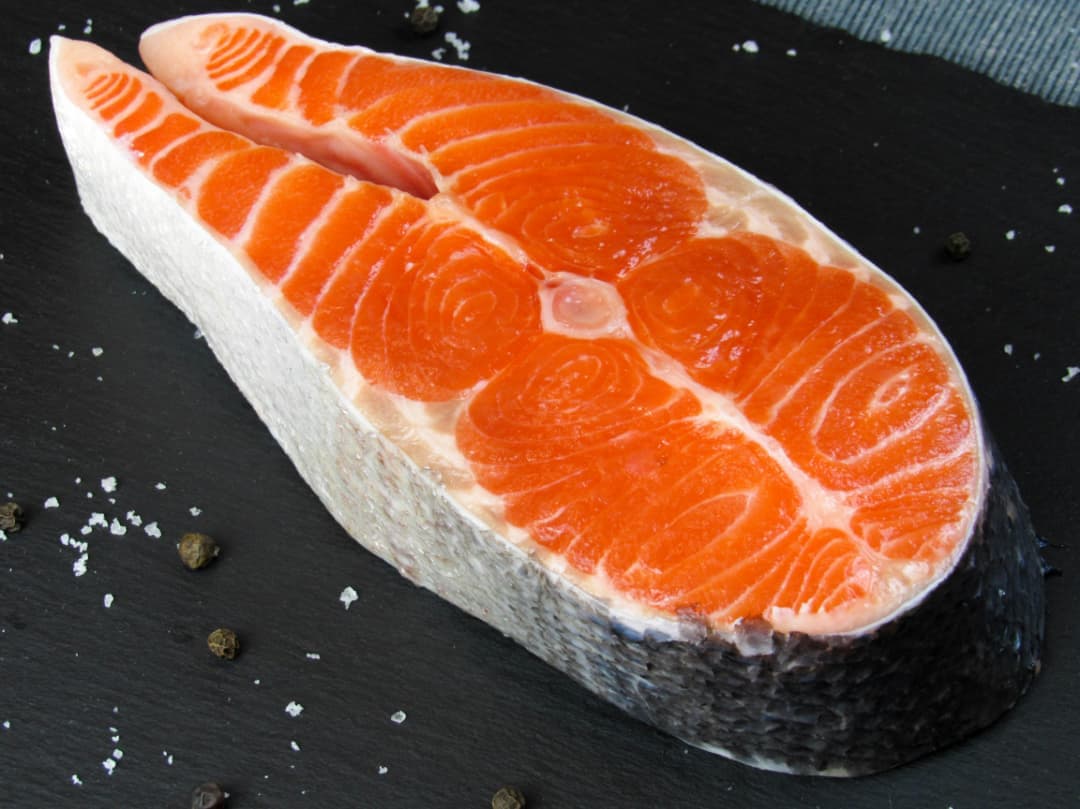
Why Your Salmon’s Color Might Be a Lie
Did you know that the beautiful pink salmon fillet on your plate might not be what you think it is? Here’s the shocking truth: farmed salmon isn’t naturally pink… it’s actually gray!

THE YAKURR NEW YAM FESTIVAL COMES TO THE ABUJA
This is not just a festival; it’s an open invitation to taste history. Abuja will experience the colours, rhythms, and flavours of one of Nigeria’s most spectacular cultural celebration of Leboku

Make Swallow from Any Vegetable by Adding One Secret Ingredient
So, next time your garri finishes, don’t panic, just grab some veggies and make magic!
Snakebite Myths: What People Believe vs What Science Confirms
Myth 1: Bitter Leaf Neutralizes Snake Venom, Myth 2: The Black Stone “Sucks Out” Venom, Myth 3: Cutting the Bite or Sucking Out the Venom Works, Myth 4: Tourniquets Can Stop Venom Spread, Myth 5: If Symptoms Are Delayed, the Bite Is Not Dangerous

Afripasspot - Comprehensive Project Briefing
Afripasspot serves as a marketplace, community hub, and educational resource for African food enthusiasts worldwide.

Most Foreigners Don’t Know What Real Yam Is
Did You Know Most People Outside Africa Don’t Know What Real Yam Is?
← Swipe to see more →