


Why Your Salmon’s Color Might Be a Lie
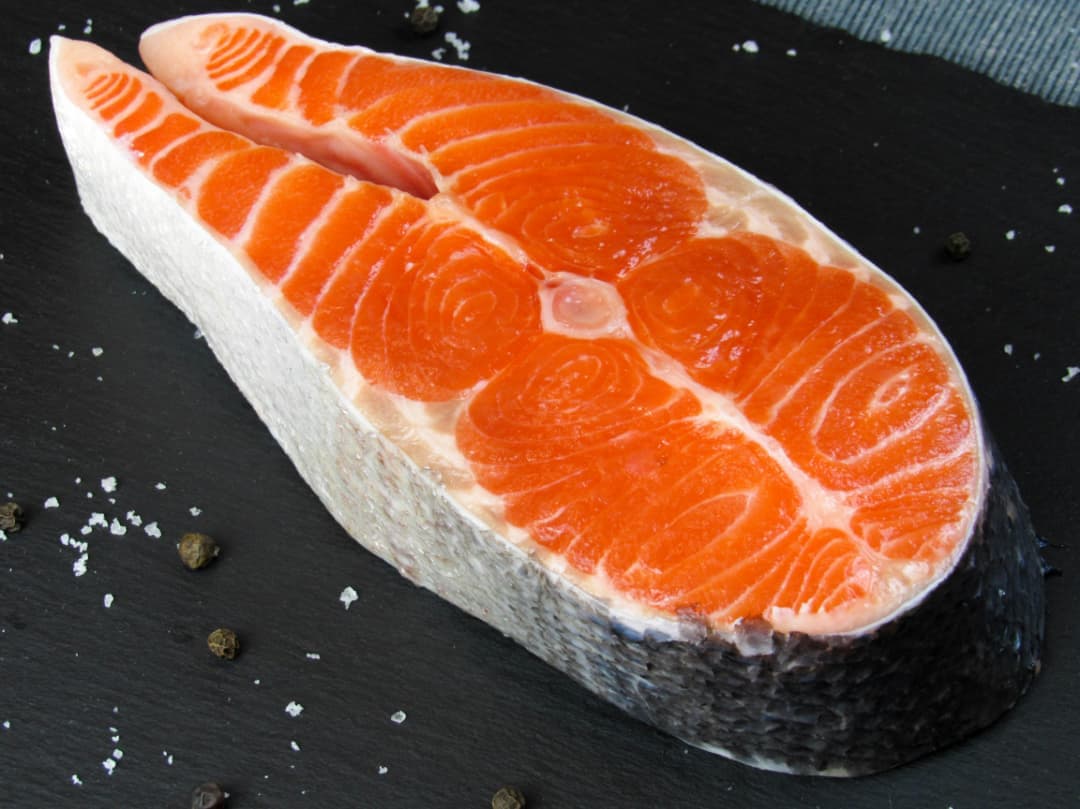
The Truth About Farmed Salmon Colour
Wild salmon get their signature pinkish-orange hue from a natural diet rich in krill, shrimp, and other carotenoid-packed crustaceans. But farmed salmon? They live in controlled environments and eat processed feed, which lacks the natural pigments that give wild salmon their colour.
So what happens? Farmed salmon are naturally grey.
How Farmed Salmon Become Pink
To make farmed salmon visually appealing, feed manufacturers add synthetic pigments like astaxanthin to their diet. But it gets even stranger:
- Salmon farmers use a “SalmoFan” colour chart, just like a paint store swatch book.
- Depending on the country’s consumer preference, they choose the exact shade of pink they want their salmon to be.
- The fish are literally “custom-coloured” for the market.
Why This Matters
Consumers think they’re buying a natural product, but in reality, the colour is engineered. While the added pigments are generally considered safe, the practice raises questions about transparency, marketing tactics, and what we’re really eating.
Next time you see that perfect pink salmon fillet, remember this:
That colour was chosen for you — not by nature.
Related Articles

Afripasspot Launches Restaurant Discovery Platform
Afripasspot is launching a powerful new integration designed to connect African restaurants with food lovers across the globe.

The Power of Pumpkin Leaves (Ugu)
Ugu is a nutritional powerhouse. Widely used in soups, stews, and sauces, these deep green leaves are loved for their earthy taste, tender texture, and incredible health benefits.
10 Set Of Foods That Promotes Clear Skin
Clear Skin from Within: A Comprehensive List of Foods That Promote Glowing, Acne-Free Skin
Plants That Repel and Attracts Snakes
Some plants may discourage snakes from settling in an area due to: Strong or irritating smells Uncomfortable textures The ability to repel pests that snakes feed on (rats, frogs, lizards)
Attested Home Remedies for Venom Exposure
people have relied on plants and herbs as first-response remedies while seeking professional help for venomous bites such as those from snakes and scorpions.

How to Tell if Chemicals Have Been Used to Preserve Dried Fish
Dried fish is a favorite in many homes — loved for its rich taste, long shelf life, and unique flavor in soups and stews. But in recent times, there’s been growing concern about the use of harmful chemicals to preserve dried fish, especially in open markets.

Most Foreigners Don’t Know What Real Yam Is
Did You Know Most People Outside Africa Don’t Know What Real Yam Is?

Kpomo or Kanda is not as safe as it looks
Kpomo (Ponmo): what’s really in it, how to spot safe ponmo, and how to get & prepare genuine cowskin
← Swipe to see more →