


How Colonial Trade Shaped Modern African Cuisine

African cuisine is often described as ancient, indigenous, and deeply rooted in local tradition. While this is true, it tells only part of the story. The foods many Africans now consider “traditional” are also the result of centuries of global exchange. From the 15th century onward, colonial trade networks dramatically reshaped agriculture, ingredients, and eating habits across the continent. Modern African cuisine is therefore both indigenous and globally influenced.
Before European contact, African societies already had rich and diverse food systems. In West Africa, people cultivated yam, millet, sorghum, oil palm, and African rice (Oryza glaberrima). Indigenous leafy vegetables and fermented locust beans were widely used. In the Horn of Africa, teff was central to local diets. Across the Sahel and savannah regions, grains like millet and sorghum dominated. Trade routes within Africa were active long before European arrival, connecting North Africa, the Sahel, and the Swahili Coast.
However, the arrival of European powers such as Portugal, Britain, and France intensified global exchange through what historians call the Columbian Exchange, the large-scale transfer of crops between the Americas, Europe, and Africa after 1492.
Many staples central to modern African cuisine were originally native to the Americas. Cassava, maize, tomatoes, chili peppers, and peanuts all fall into this category. Botanical and archaeological evidence confirms their American origin. Yet today, they form the backbone of meals across the continent.
Cassava, for example, is native to South America, particularly the Amazon basin (modern-day Brazil and surrounding regions). Portuguese traders encountered cassava in Brazil and introduced it to Africa in the 16th century through Atlantic trade networks. Because cassava was drought-resistant and could grow in poor soil, it spread rapidly across West and Central Africa. In places like Nigeria, it became the base for garri, fufu, and abacha. These dishes are not Portuguese inventions; they are African innovations using an imported crop.
Similarly, maize native to Mexico became foundational in many African societies. In East and Southern Africa, it is central to dishes like ugali and sadza. In West Africa, it is processed into pap (ogi) and tuwo masara. Over centuries, maize replaced or supplemented indigenous grains such as millet and sorghum in many regions.
Tomatoes and chili peppers, both native to the Americas, transformed African cooking styles. Today, tomato-pepper stews define much of West African cuisine. It is difficult to imagine jollof-style cooking without them, yet these ingredients arrived through colonial trade routes. Peanuts (groundnuts), also from South America, became essential in soups and sauces across West Africa.
The Portuguese did not introduce finished dishes they introduced crops. Africans adapted these ingredients into existing culinary frameworks, applying traditional techniques such as fermentation, pounding, drying, and stewing. Over 400–500 years, these crops became naturalized. Generations grew up cultivating and eating them, and they became embedded in cultural identity. Biologically foreign, culturally African.
Colonial trade also reshaped agricultural priorities. European powers reorganized farming systems to favor export crops such as cocoa, coffee, and tea. In Ghana and Ivory Coast, cocoa production expanded under colonial administration. In Kenya, British policies promoted tea cultivation. While these crops were primarily grown for export, they gradually became part of local consumption patterns. Tea drinking, for example, is now deeply woven into East African social life.
The movement of people also influenced cuisine. The transatlantic slave trade displaced millions of Africans, carrying African cooking techniques to the Americas. Over time, ingredients and culinary practices traveled back across the Atlantic, creating shared food traditions between West Africa, the Caribbean, and Brazil. In East Africa, Indian laborers brought by the British introduced chapati and spice blends that became integrated into local diets.
Urbanization further accelerated change. Colonial cities such as Lagos and Dakar became centers where imported wheat flour, sugar, and processed goods entered daily life. Bread and sweetened beverages, once foreign, became common breakfast staples in many African households.
Despite these transformations, indigenous foods never disappeared. Yam remains native to West Africa. Millet and sorghum continue to be grown. Oil palm and African rice are deeply rooted in local history. Colonial trade did not erase African food culture; it layered new influences onto existing foundations.
Modern African cuisine is therefore neither purely pre-colonial nor purely colonial. It is the product of adaptation, resilience, and creativity. Crops introduced through colonial trade were not passively adopted, they were reinterpreted and transformed. What began as foreign became familiar. What arrived through global exchange became local identity.
Understanding this complexity does not diminish authenticity. Instead, it reveals Africa’s long history of connection to the wider world. The plate of food eaten today tells a story of movement, exchange, and innovation a reminder that culture evolves, and in doing so, becomes uniquely its own.
Related Articles

The Power of Pumpkin Leaves (Ugu)
Ugu is a nutritional powerhouse. Widely used in soups, stews, and sauces, these deep green leaves are loved for their earthy taste, tender texture, and incredible health benefits.

LEBOKU THE YAM FESTIVAL OF UGEP
The Ugep Leboku is particularly famous for showcasing the rich cultural heritage of the Yakurr people. The three-week-long festival bursts with energy, featuring activities such as wrestling matches, football competitions, traditional dances, masquerade parades, and the iconic Mr & Miss Leboku pageant. Tourists, traditionalists, and non-indigenes travel from near and far to participate.
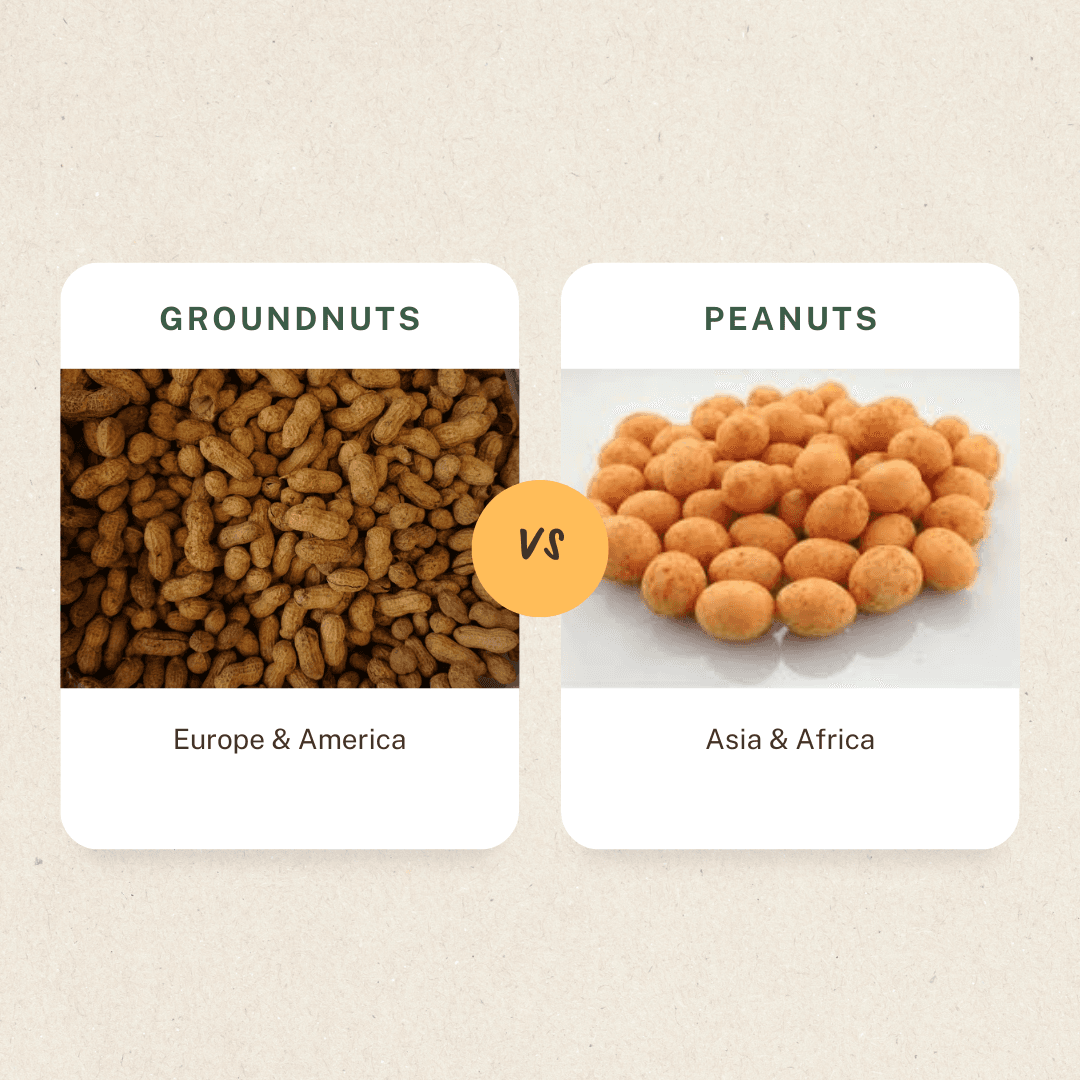
Groundnut or Peanut? A Snack and Legume Name Mixup
Globally, peanuts and groundnuts are actually the same plant. In Nigeria they are called groundnuts but in Europe they are called peanuts

Afripasspot Launches Restaurant Discovery Platform
Afripasspot is launching a powerful new integration designed to connect African restaurants with food lovers across the globe.

Make Swallow from Any Vegetable by Adding One Secret Ingredient
So, next time your garri finishes, don’t panic, just grab some veggies and make magic!

Most Foreigners Don’t Know What Real Yam Is
Did You Know Most People Outside Africa Don’t Know What Real Yam Is?

Snakebite Myths: What People Believe vs What Science Confirms
Myth 1: Bitter Leaf Neutralizes Snake Venom, Myth 2: The Black Stone “Sucks Out” Venom, Myth 3: Cutting the Bite or Sucking Out the Venom Works, Myth 4: Tourniquets Can Stop Venom Spread, Myth 5: If Symptoms Are Delayed, the Bite Is Not Dangerous

The Next African Tech Export Won't Come From Fintech, It'll Come From the Kitchen
The African tech ecosystem has a bias toward "serious" verticals. Food and culture are seen as lifestyle, not infrastructure. This is a mistake. South Korea understood that cultural exports such as K-drama, K-pop, and Korean food were economic multipliers. They invested accordingly. Today, Korean cuisine is a $12 billion export industry, and bibimbap is in every Whole Foods on earth.
← Swipe to see more →