


How to Preserve Dried Fish in All Weather Condition
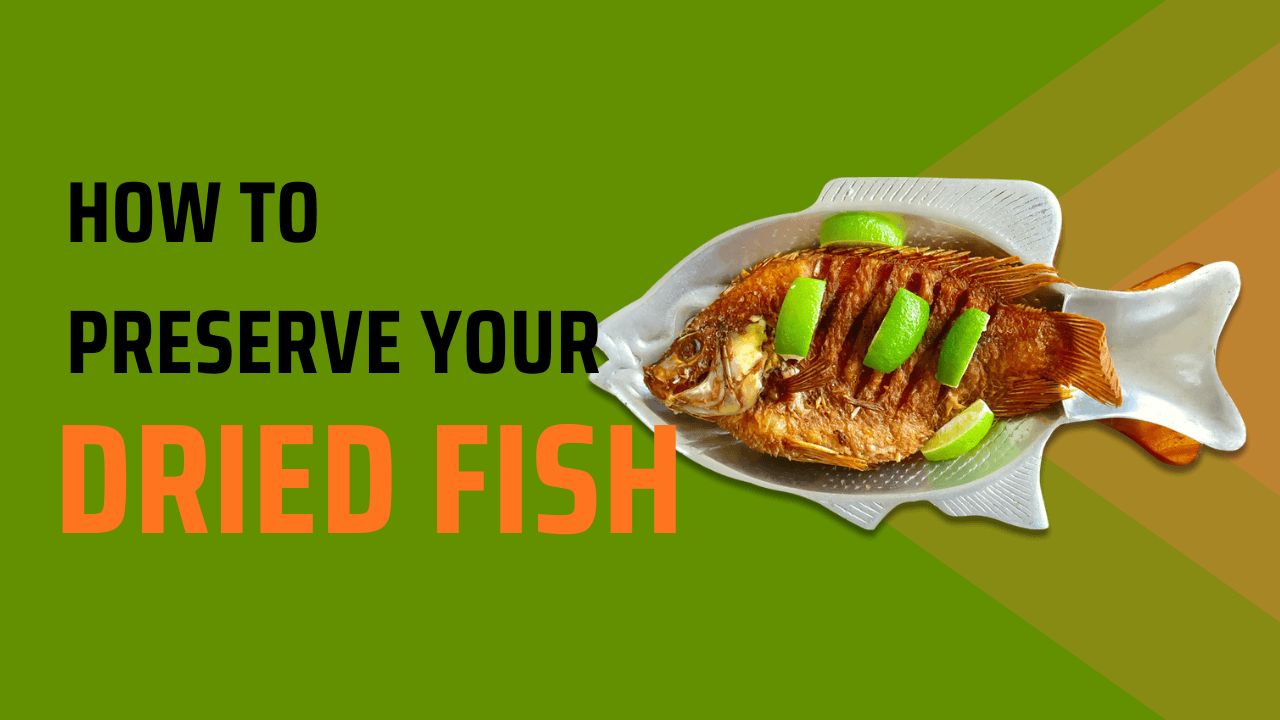
Dried fish is one of the oldest and most reliable methods of food preservation. When done and stored correctly, dried fish can last several months and, in some cases, close to a year without losing its flavour or safety. However, weather conditions especially heat, humidity, and rain can shorten its shelf life if proper precautions are not taken.
This guide explains how to preserve dried fish effectively in dry, rainy, hot, and humid weather, using both traditional and modern methods that work in real-life environments.
1. Start With Proper Drying (The Foundation of Long Storage)
No storage method can fix poorly dried fish. Preservation begins before storage.
Fish must be:
- Fully gutted and cleaned
- Washed with clean water
- Salted adequately to remove moisture
- Dried until it is hard, brittle, and moisture-free
If the fish bends easily or feels soft inside, it still contains moisture and will spoil quickly.
Best drying practices
- Dry under direct sunlight with free air circulation
- Raise fish off the ground using racks or nets
- Turn fish regularly to ensure even drying
- Dry for several days until no internal moisture remains
For long-term storage, fish should feel light, firm, and crack slightly when bent.
2. Protect Dried Fish From Moisture (The Biggest Enemy)
Moisture is the number one cause of mould and spoilage.
In Rainy or Humid Weather
- Never store dried fish immediately after exposure to rain or night dew
- Re-dry fish under the sun or in a low-heat oven before storage
- Allow fish to cool completely before packaging
If you live in a humid region, periodic re-drying every few weeks greatly extends shelf life.
3. Choose the Right Storage Container
The container you use matters as much as how dry the fish is.
Best containers for long-term storage
- Airtight plastic containers with tight lids
- Glass jars with rubber seals
- Food-grade buckets with sealed covers
- Vacuum-sealed bags (best option)
Avoid:
- Open baskets
- Thin nylon bags
- Containers that allow air circulation
Airtight containers prevent moisture, insects, and air from reaching the fish.
4. Use Salt as a Natural Preservative
Salt continues to protect dried fish during storage.
Methods:
- Lightly rub dried fish with dry salt before storage
- Place a thin layer of salt at the bottom of the container
- Sprinkle salt between layers of fish
Salt absorbs residual moisture and discourages bacterial growth.
Do not soak fish in water after drying if you plan to store it long-term.
5. Protect Against Insects and Maggots
Insects are a major threat, especially in warm climates.
Natural insect control methods
- Add dried chili peppers to storage containers
- Use neem leaves or bay leaves
- Sprinkle black pepper or cloves
These deter insects without affecting taste.
Never store dried fish near grains or open food items that attract pests.
6. Store in a Cool, Dark, and Dry Place
Heat and sunlight shorten shelf life.
Ideal storage locations:
- Cupboards away from stoves
- Elevated shelves
- Dry storerooms with ventilation
Avoid:
- Direct sunlight
- Kitchens with constant steam
- Areas near heat sources
The cooler and darker the storage area, the longer the fish lasts.
7. Special Tips for Hot Weather
Hot weather accelerates oil rancidity in dried fish.
To prevent this:
- Store fish in smaller batches
- Open containers only when needed
- Consider refrigeration or freezing for oily fish
Oily fish spoil faster than lean fish, even when dried.
8. Re-Drying as a Maintenance Strategy
For storage beyond 3–4 months:
- Sun-dry fish for a few hours every 4–6 weeks
- Allow to cool fully
- Repackage in airtight containers
This step resets moisture levels and kills early mold spores.
9. Signs Dried Fish Has Spoiled
Do not consume dried fish if it has:
- Visible mold (green, black, or white fuzz)
- Strong sour or ammonia smell
- Slimy surface
- Soft, wet interior
When in doubt, throw it out.
10. How Long Properly Preserved Dried Fish Can Last
With correct drying and storage:
- 3–6 months in normal room conditions
- 6–9 months in cool, dry environments
- Up to 12 months if vacuum-sealed or frozen
Conclusion
Preserving dried fish successfully in all weather conditions comes down to three things: thorough drying, moisture control, and proper storage. When these steps are followed carefully, dried fish can remain safe, flavorful, and usable for months or even close to a year, regardless of climate.
Whether for household use or small-scale trade, these methods help reduce waste, save money, and ensure a steady food supply all year round.
Related Articles
Plants That Repel and Attracts Snakes
Some plants may discourage snakes from settling in an area due to: Strong or irritating smells Uncomfortable textures The ability to repel pests that snakes feed on (rats, frogs, lizards)
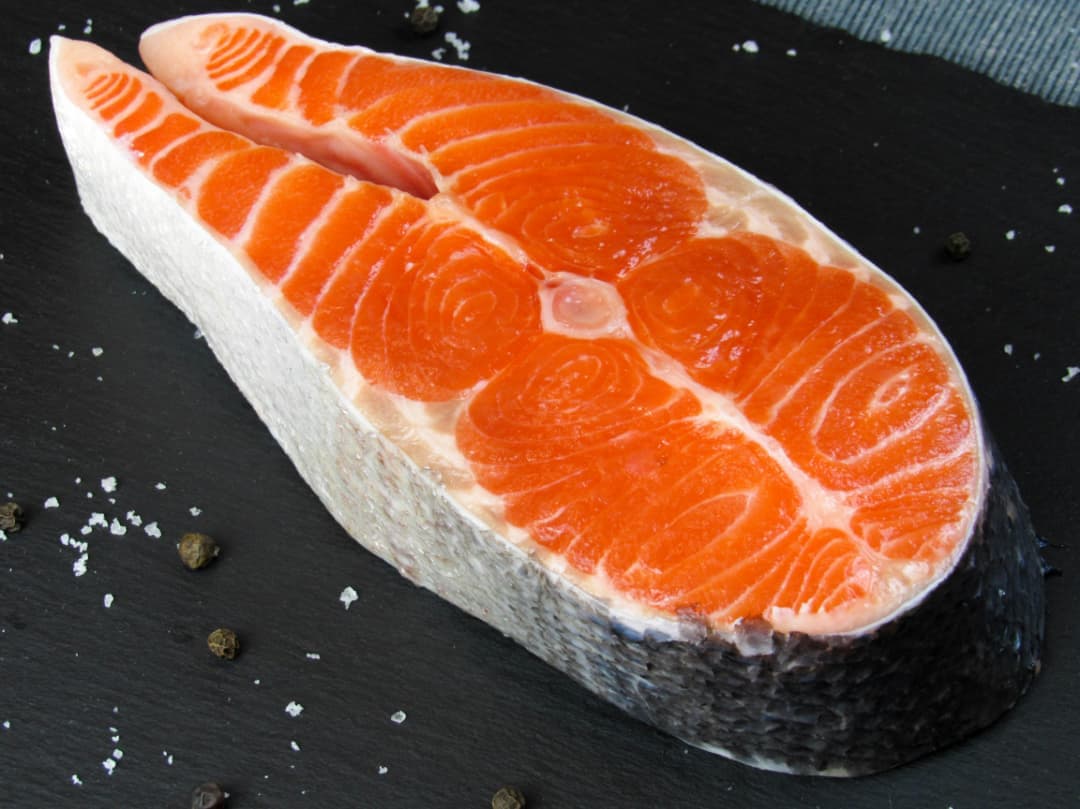
Why Your Salmon’s Color Might Be a Lie
Did you know that the beautiful pink salmon fillet on your plate might not be what you think it is? Here’s the shocking truth: farmed salmon isn’t naturally pink… it’s actually gray!

How to Tell if Chemicals Have Been Used to Preserve Dried Fish
Dried fish is a favorite in many homes — loved for its rich taste, long shelf life, and unique flavor in soups and stews. But in recent times, there’s been growing concern about the use of harmful chemicals to preserve dried fish, especially in open markets.

The Next African Tech Export Won't Come From Fintech, It'll Come From the Kitchen
The African tech ecosystem has a bias toward "serious" verticals. Food and culture are seen as lifestyle, not infrastructure. This is a mistake. South Korea understood that cultural exports such as K-drama, K-pop, and Korean food were economic multipliers. They invested accordingly. Today, Korean cuisine is a $12 billion export industry, and bibimbap is in every Whole Foods on earth.
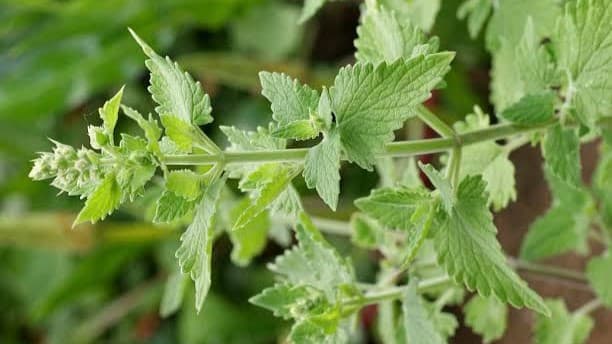
Say Goodbye to Expensive Mosquito Sprays — Try Catnip Instead
Catnip can repel mosquitoes up to 10x better than chemical sprays. Discover how this simple, pleasant-smelling plant protects your home naturally and affordably.

To Learn is To Cook, Where You Master The Basics Before The Recipes
you don’t need to memorize every recipe. Just learn how to chop, how to season, and how not to burn the house down.

The Power of Pumpkin Leaves (Ugu)
Ugu is a nutritional powerhouse. Widely used in soups, stews, and sauces, these deep green leaves are loved for their earthy taste, tender texture, and incredible health benefits.
Okra Water: What are the Real (and Misunderstood) Benefits
← Swipe to see more →