


Say Goodbye to Expensive Mosquito Sprays — Try Catnip Instead
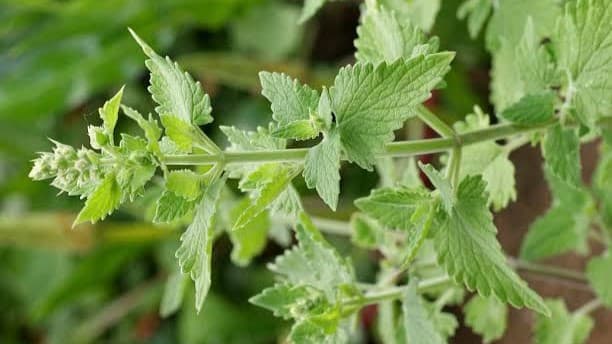
When most people hear the word catnip, they immediately think of hyperactive, playful cats rolling around in delight. But catnip has another impressive quality that rarely gets the spotlight. It is a highly effective natural mosquito repellent. In fact, research suggests that catnip can repel mosquitoes up to 10 times more effectively than many popular chemical insect sprays.
Why Catnip Works Better Than Commercial Sprays
For years, chemical mosquito sprays have been the go-to solution for keeping our homes mosquito-free. But recently, many people have noticed that these sprays:
- Are expensive
- Choke the room with harsh fumes for way more longer period of time
- Offer less effective protection than they used to
This has raised questions:
- Have mosquitoes become stronger?
- Are the sprays declining in quality while prices rise?
Either way, consumers are getting the short end of the deal.
Catnip offers a refreshing solution. Its active compounds naturally repel mosquitoes—no chemicals, no harsh smell, no irritating fumes. Just a simple plant doing a better job than costly aerosols.
The Strength of Catnip
Catnip isn’t just effective, it’s incredibly easy to grow and maintain.
It thrives in:
- Full sun
- Partial shade
- Almost any well-draining soil
This means you don’t need a green thumb or a large yard to keep it alive. In fact, catnip often grows like a weed. Many people find it sprouting around them without even planting it intentionally.
How to Use Catnip for Mosquito Control
One of the best things about catnip is its versatility. You can:
- Plant it around your home
- Cut a few stems and keep them indoors
- Use it for both mosquito control and a naturally refreshing fragrance
The aroma is pleasant to humans and repulsive to mosquitoes, an ideal combination.
A Small Downside
If you’re not growing catnip as a stable plant at home, the cut stems have a short lifespan. Once plucked, catnip offers the strongest mosquito-repelling effect for about 48 hours before it dries up and loses its potency.
Still, considering its efficiency, availability, and the fact that it costs nothing when found growing naturally around you, it's a small trade-off for a healthier, chemical-free home.
Final Thoughts
In a world where mosquito sprays are becoming more expensive and seemingly less effective, catnip emerges as a powerful, natural alternative. Whether you choose to grow it or simply pick a few sprigs when needed, this humble plant might be the easiest step toward keeping your home mosquito-free without the toxic fumes or fear of resistant insects.
Share with friends if you found this helpful, cheers
Related Articles
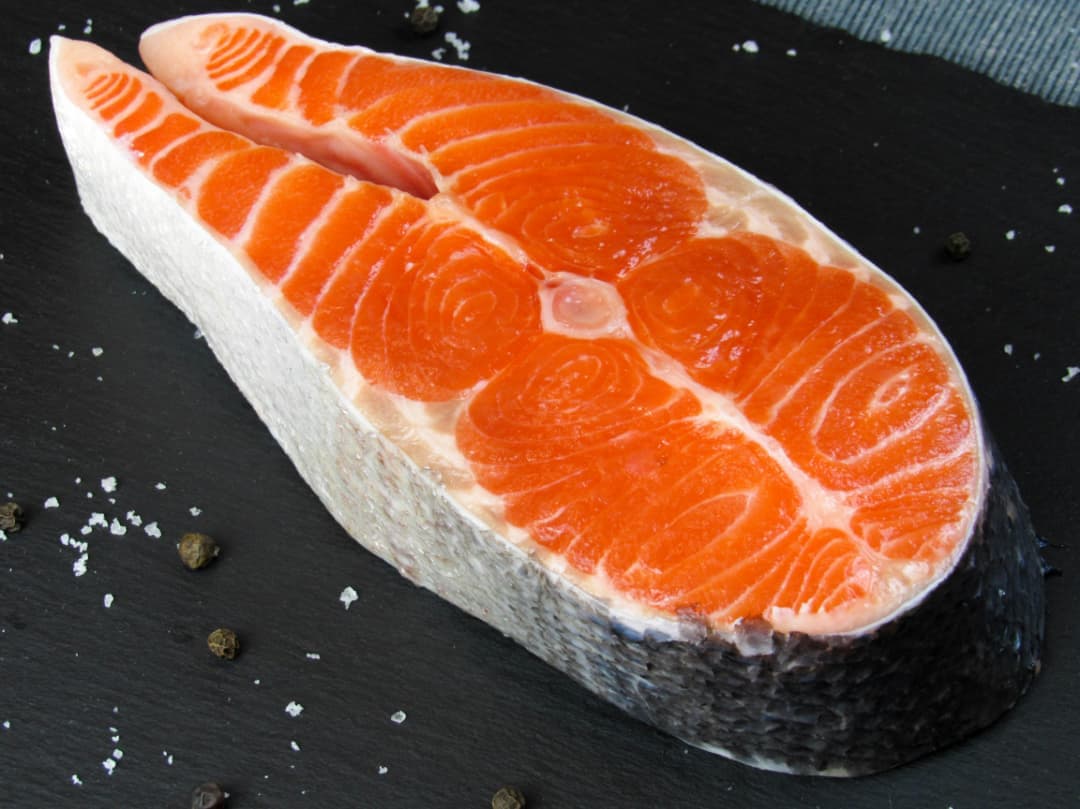
Why Your Salmon’s Color Might Be a Lie
Did you know that the beautiful pink salmon fillet on your plate might not be what you think it is? Here’s the shocking truth: farmed salmon isn’t naturally pink… it’s actually gray!

Plants That Repel and Attracts Snakes
Some plants may discourage snakes from settling in an area due to: Strong or irritating smells Uncomfortable textures The ability to repel pests that snakes feed on (rats, frogs, lizards)

Most Foreigners Don’t Know What Real Yam Is
Did You Know Most People Outside Africa Don’t Know What Real Yam Is?

10 Set Of Foods That Promotes Clear Skin
Clear Skin from Within: A Comprehensive List of Foods That Promote Glowing, Acne-Free Skin
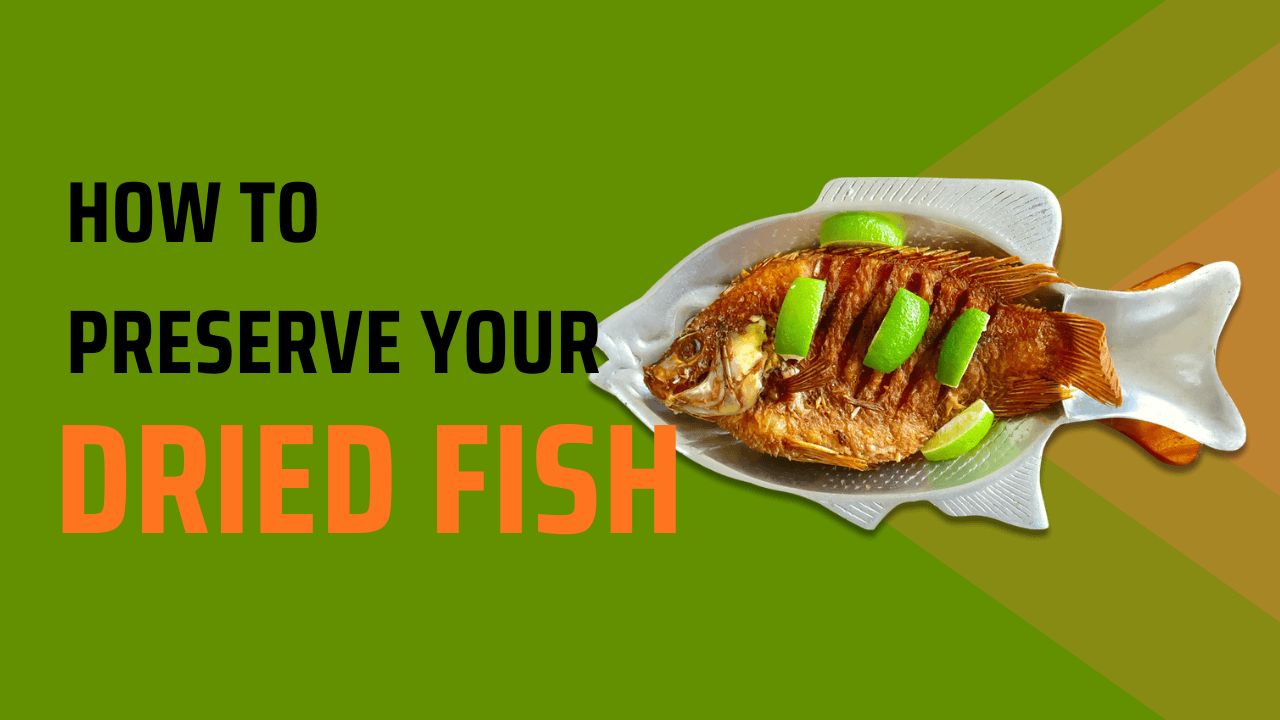
How to Preserve Dried Fish in All Weather Condition
This guide explains how to preserve dried fish effectively in dry, rainy, hot, and humid weather, using both traditional and modern methods that work in real-life environments.

The Next African Tech Export Won't Come From Fintech, It'll Come From the Kitchen
The African tech ecosystem has a bias toward "serious" verticals. Food and culture are seen as lifestyle, not infrastructure. This is a mistake. South Korea understood that cultural exports such as K-drama, K-pop, and Korean food were economic multipliers. They invested accordingly. Today, Korean cuisine is a $12 billion export industry, and bibimbap is in every Whole Foods on earth.

To Learn is To Cook, Where You Master The Basics Before The Recipes
you don’t need to memorize every recipe. Just learn how to chop, how to season, and how not to burn the house down.

Snakebite Myths: What People Believe vs What Science Confirms
Myth 1: Bitter Leaf Neutralizes Snake Venom, Myth 2: The Black Stone “Sucks Out” Venom, Myth 3: Cutting the Bite or Sucking Out the Venom Works, Myth 4: Tourniquets Can Stop Venom Spread, Myth 5: If Symptoms Are Delayed, the Bite Is Not Dangerous
← Swipe to see more →